Click Here Australia Transportation Safety Board Final Report released August 30 2012
If link above doesn't work click here final report, right side under the green bar.
What the ATSB found
The requirement to ditch resulted from incomplete pre-flight and en route planning and the flight crew not assessing before it was too late to divert that a safe landing could not be assured. The crew’s assessment of their fuel situation, the worsening weather at Norfolk Island and the achievability of alternate destinations led to their decision to continue, rather than divert to a suitable alternate.
The operator’s procedures and flight planning guidance managed risk consistent with regulatory provisions but did not minimise the risks associated with aeromedical operations to remote islands. In addition, clearer guidance on the in-flight management of previously unforecast, but deteriorating, destination weather might have assisted the crew to consider and plan their diversion options earlier.
The occupants’ exit from the immersed aircraft was facilitated by their prior wet drill and helicopter underwater escape training. Their subsequent rescue was made difficult by lack of information about the ditching location and there was a substantial risk that it might not have had a positive outcome.
What has been done to fix it
As a result of this accident, the aircraft operator changed its guidance in respect of the in-flight management of previously unforecast, deteriorating destination weather. Satellite communication has been provided to crews to allow more reliable remote communications, and its flight crew oversight systems and procedures have been enhanced. In addition, the Civil Aviation Safety Authority is developing a number of Civil Aviation Safety Regulations covering fuel planning and in‑flight management, the selection of alternates and extended diversion time operations.
Safety message
This accident reinforces the need for thorough pre- and en route flight planning, particularly in the case of flights to remote airfields. In addition, the investigation confirmed the benefit of clear in-flight weather decision making guidance and its timely application by pilots in command.
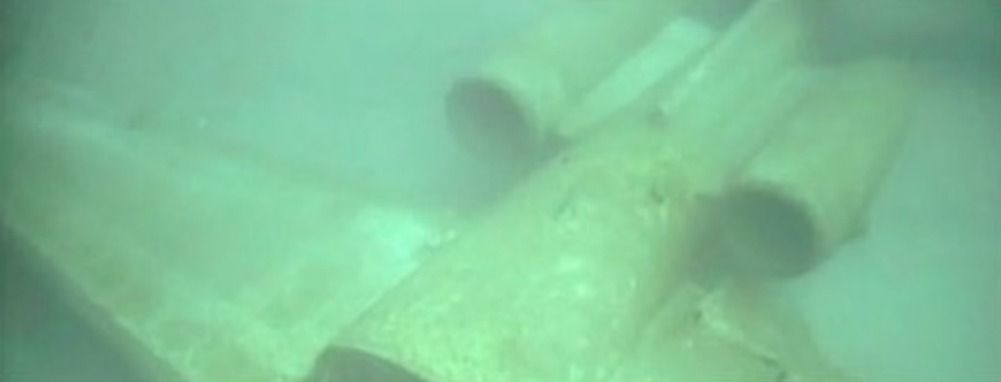
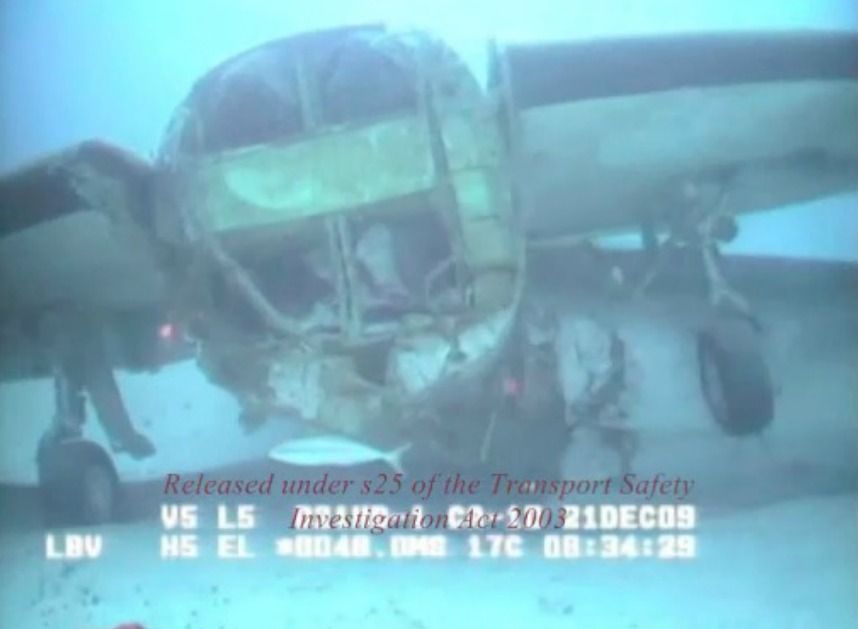
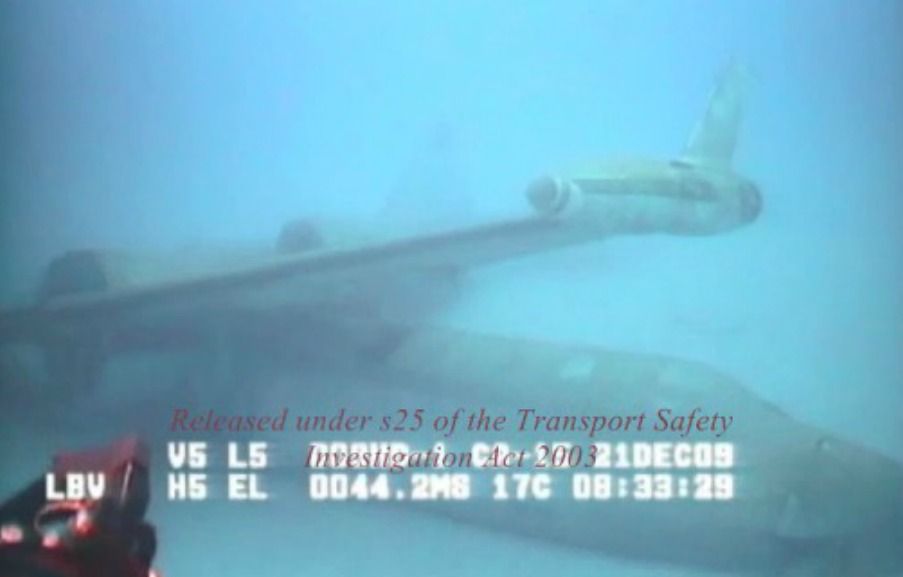
Aircraft broke in two after ditching and sank, it was not recovered ATSB photo
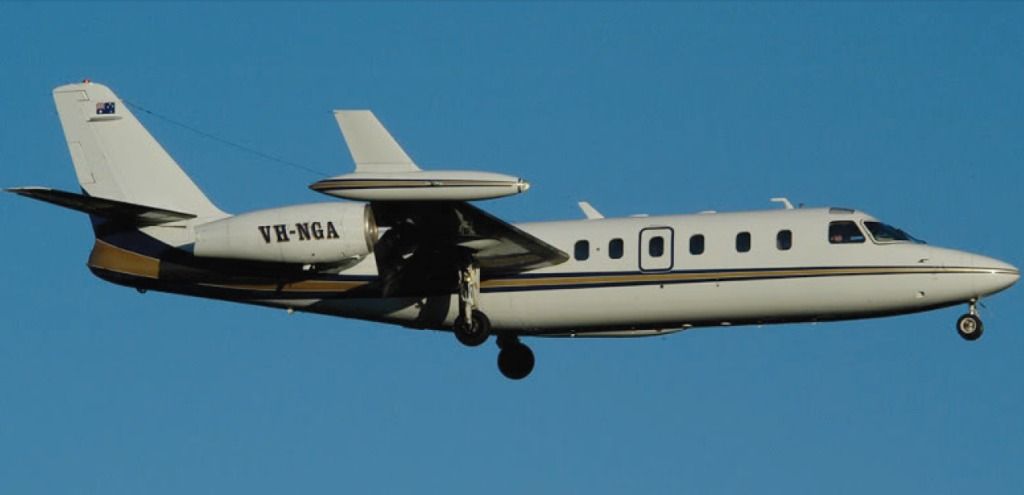
Pel-Air Aviation (Pty) Ltd. Westwind 1124A (1983) was based Sydney (Kingsford-Smith) Airport
photo Tango3/Airliners.net
edit; added links.